Vocabulario
Vocabulario
climate change
Long-term changes in the Earth's weather and temperature.
Climate change is one of the biggest problems in the world today.
ordinary
Normal or usual; not special.
Ordinary people can still make better choices every day.
industry
Businesses that produce goods or provide services.
Big industries use a lot of energy.
device
A machine or tool, often electronic.
You can unplug devices when you do not need them.
reduce
To make something smaller or less.
A reusable bottle can reduce plastic waste.
waste
Using too much of something or throwing something away.
Planning meals can help reduce food waste.
resource
Something useful, such as water, land, energy, or materials.
Food production uses many resources.
pollution
Dirty or harmful substances in the air, water, or land.
Cars can create air pollution.
reusable
Able to be used again many times.
A reusable shopping bag can replace many plastic bags.
community
A group of people who live in the same area or share something.
Local communities can help create better habits.
Reading / Listening

7 min
Climate Change and Everyday Choices
Escucha y sigue el texto
La frase actual se resalta mientras suena el audio.
Climate Change and Everyday Choices
Climate change is one of the biggest problems in the world today. We hear about it in the news, at school, on social media, and in conversations about the future. Sometimes the problem feels so big that ordinary people may think, "What can I do? "
It is true that governments, companies, and big industries have a very important role. They make decisions about energy, transport, food, buildings, and factories. These decisions can affect millions of people. However, this does not mean that everyday choices are useless. The way we live, buy, eat, travel, and use energy also matters.
One simple example is electricity. Many people leave lights on when they leave a room. Some people keep computers, televisions, or chargers plugged in all day. These small actions use energy. Turning off lights, using energy-saving bulbs, and unplugging devices when we do not need them can help reduce waste.
Food choices are also important. Throwing away food is bad for the environment because producing food uses water, land, energy, and transport. When food goes into the bin, all of these resources are wasted too. Planning meals, keeping leftovers, and buying only what we need are simple ways to waste less food.
Transport is another area where people can make better choices. Cars are useful, but they also create pollution. Of course, not everyone can stop using a car. Some people live far from work or school. But when possible, walking, cycling, using public transport, or sharing a car with others can reduce pollution and save money at the same time.
Shopping habits also affect the planet. Many people buy clothes, gadgets, or household items that they do not really need. Sometimes these things are used only a few times and then thrown away. Before buying something new, we can ask ourselves a simple question: "Do I really need this? " Buying less, repairing things, and choosing better quality products can make a difference.
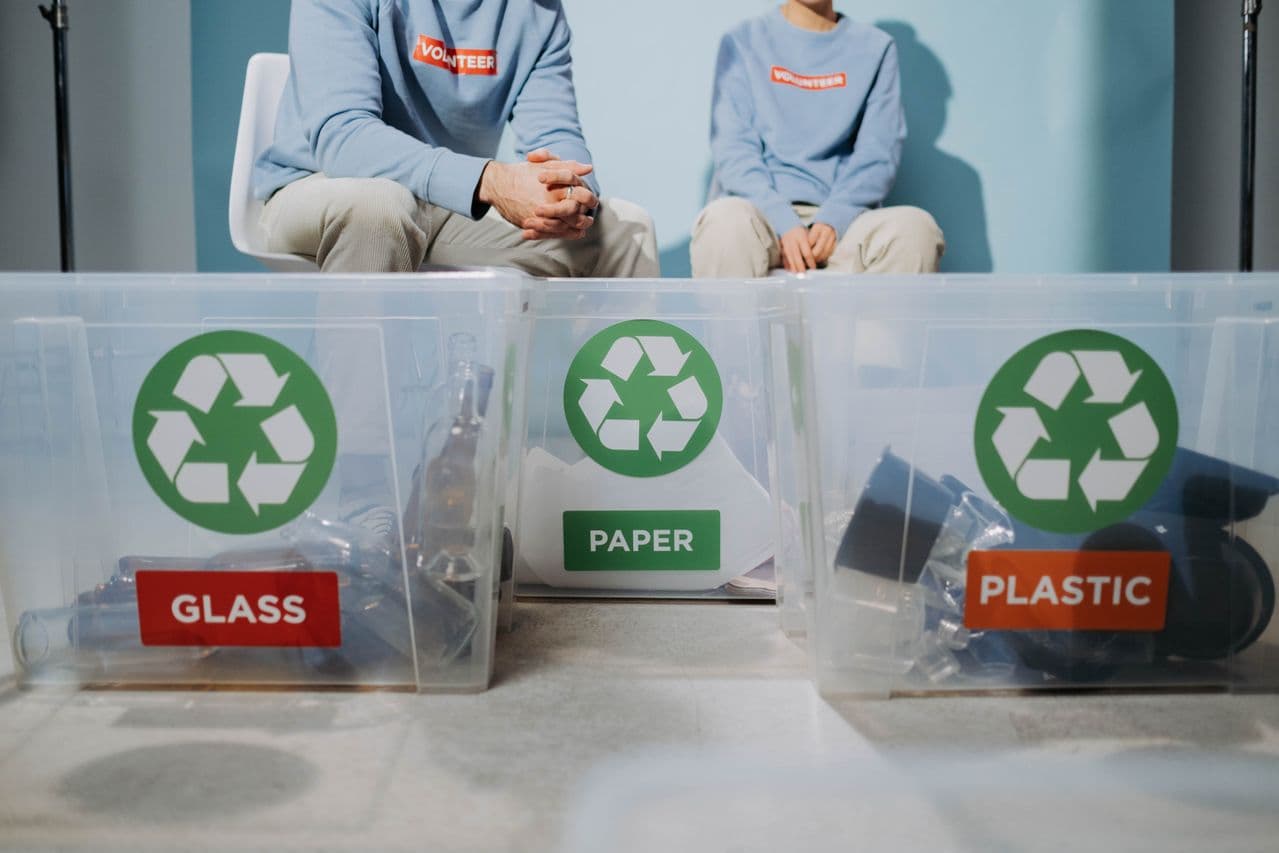
Plastic is another common problem. Plastic bags, bottles, and packaging are used for a short time, but they can stay in nature for many years. A reusable water bottle, a shopping bag, or a lunch box may seem like a small thing, but these small habits can reduce plastic waste over time.
Still, it is important to be realistic. One person cannot solve climate change alone. People should not feel guilty for every small action. The goal is not to live a perfect life. The goal is to make better choices when we can and support bigger changes in society.
Talking about climate change is also useful. When people share ideas, ask questions, and learn more, they can make better decisions. Families, schools, workplaces, and local communities can all help create new habits.
Climate change is a global problem, but it is also connected to daily life. Our choices are not the whole solution, but they are part of the solution. If millions of people make small changes and also ask for larger changes from leaders and companies, the future can become cleaner, safer, and fairer.
Preguntas de comprensión
Preguntas de comprensión
01
Why do some ordinary people feel unsure about climate change?
Mostrar respuesta de ejemplo
Some ordinary people feel unsure because climate change feels like a very big problem, and they may not know what they can do.
02
Who has an important role in fighting climate change?
Mostrar respuesta de ejemplo
Governments, companies, and big industries have an important role in fighting climate change.
03
How can people save electricity at home?
Mostrar respuesta de ejemplo
People can save electricity by turning off lights, using energy-saving bulbs, and unplugging devices when they do not need them.
04
Why is throwing away food bad for the environment?
Mostrar respuesta de ejemplo
Throwing away food is bad because producing food uses water, land, energy, and transport, and these resources are wasted when food is thrown away.
05
What are some better transport choices mentioned in the text?
Mostrar respuesta de ejemplo
Some better transport choices are walking, cycling, using public transport, and sharing a car with others.
06
What question can people ask before buying something new?
Mostrar respuesta de ejemplo
People can ask themselves, "Do I really need this?"
07
Why is plastic a common environmental problem?
Mostrar respuesta de ejemplo
Plastic is a common problem because it is often used for a short time, but it can stay in nature for many years.
08
What is the main message of the text?
Mostrar respuesta de ejemplo
The main message is that everyday choices cannot solve climate change alone, but they are still part of the solution.
Preguntas para hablar
Preguntas para hablar
01
Do you think individual choices can help the environment?
Idea de respuesta de ejemplo
Yes, I think individual choices can help the environment, especially when many people make small changes together.
02
What is one thing you can do to save energy at home?
Idea de respuesta de ejemplo
I can turn off lights when I leave a room and unplug devices when I do not use them.
03
Do you waste food sometimes? How can people waste less food?
Idea de respuesta de ejemplo
Yes, I sometimes waste food. People can waste less food by planning meals and buying only what they need.
04
What type of transport is best for the environment in your city?
Idea de respuesta de ejemplo
Public transport is probably best in my city because many people can travel together and create less pollution.
05
Do you usually think before buying something new?
Idea de respuesta de ejemplo
Sometimes I do, but I think I should ask myself if I really need something before I buy it.
06
What reusable item do you use or want to use?
Idea de respuesta de ejemplo
I use a reusable water bottle because it helps me use fewer plastic bottles.
Frases útiles
Frases útiles
one of the biggest problems
One of the most important and serious problems.
Climate change is one of the biggest problems in the world today.
ordinary people
Normal people in daily life.
Ordinary people can make small changes.
have an important role
To be important in a situation or solution.
Governments and companies have an important role.
everyday choices
The decisions we make in daily life.
Everyday choices can affect the environment.
turn off lights
To stop lights from using electricity.
You should turn off lights when you leave a room.
reduce waste
To create or throw away less waste.
Unplugging devices can help reduce waste.
throwing away food
Putting food in the bin instead of eating or using it.
Throwing away food is bad for the environment.
when possible
If it can be done.
When possible, walking or cycling is a good choice.
make a difference
To have a useful or important effect.
Buying less can make a difference.
over time
Slowly, after a period of time.
Small habits can reduce plastic waste over time.
be realistic
To understand what is possible and true.
It is important to be realistic about climate change.
part of the solution
One thing that helps solve a problem.
Everyday choices are part of the solution.