Vocabulaire
Vocabulaire
task
A piece of work or an activity that someone needs to do.
Writing an email is a simple task for many people.
suggest
To give an idea or advice about something.
The video app can suggest a new video for you.
translate
To change words from one language into another language.
I use an app to translate English words into Turkish.
spelling
The way a word is written with letters.
My phone can correct my spelling when I write a message.
information
Facts or details about something.
AI learns from a lot of information.
recognize
To know someone or something because you have seen or learned it before.
The app can recognize a cat in a photo.
tool
Something that helps you do a job or activity.
AI can be a helpful tool for students.
replace
To take the place of someone or something.
AI can help teachers, but it should not replace them.
Reading / Listening

7 min
What is Artificial Intelligence?
Écoutez et suivez le texte
La phrase active est surlignée pendant l'audio.
A few years ago, artificial intelligence sounded like something from a science fiction movie. Today, it is in our pockets, on our computers, and even in our homes.
Artificial intelligence, or AI, is a type of technology that can do tasks that usually need human thinking. For example, AI can answer questions, understand speech, translate languages, suggest videos, and help people write messages.
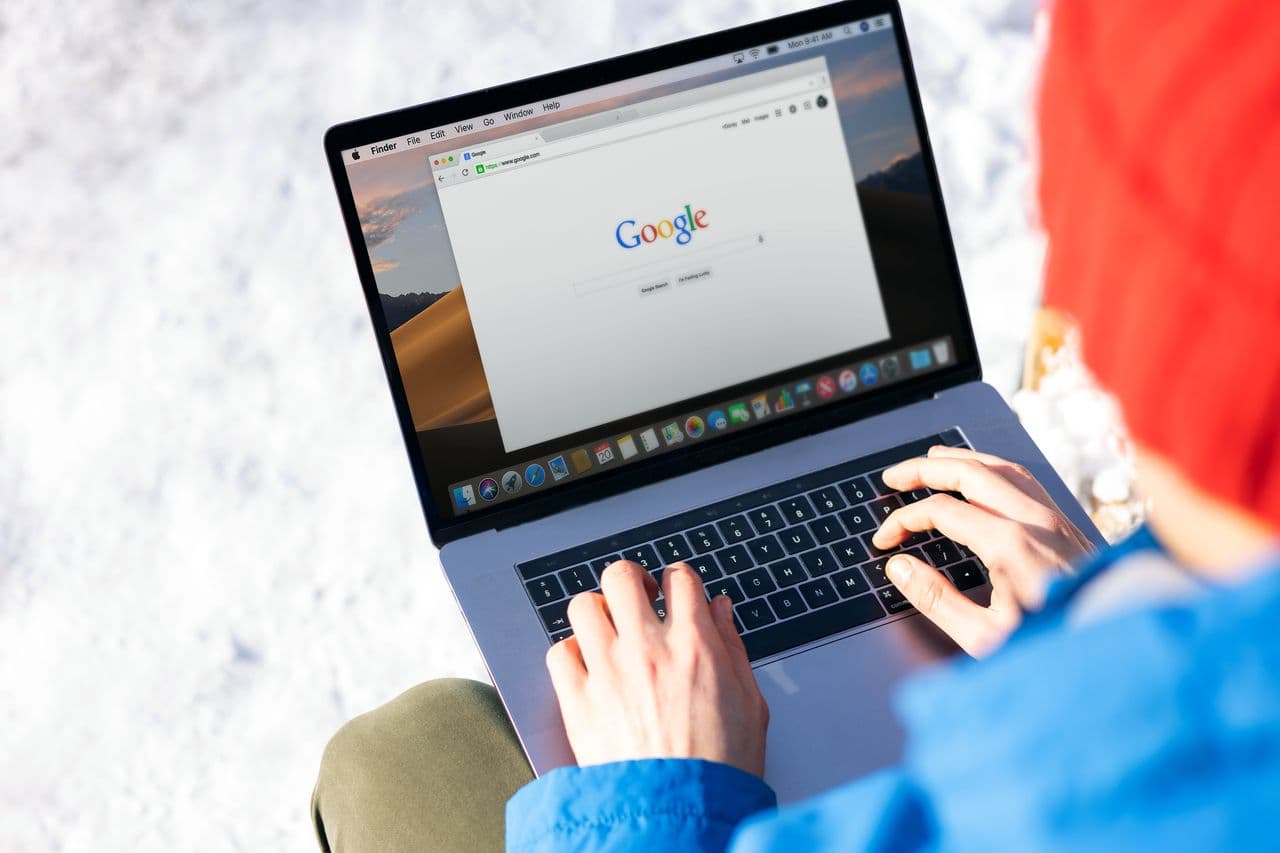
You probably use AI more often than you think. When you watch a video online, the app may suggest another video for you. When you type a message, your phone may correct your spelling. When you use a map, it can show you the fastest way to go somewhere. These are all simple examples of AI.
AI does not think like a human. It does not have feelings, dreams, or real opinions. It learns from information. For example, if an AI system looks at thousands of photos of cats, it can learn what a cat usually looks like. Later, it may recognize a cat in a new photo.
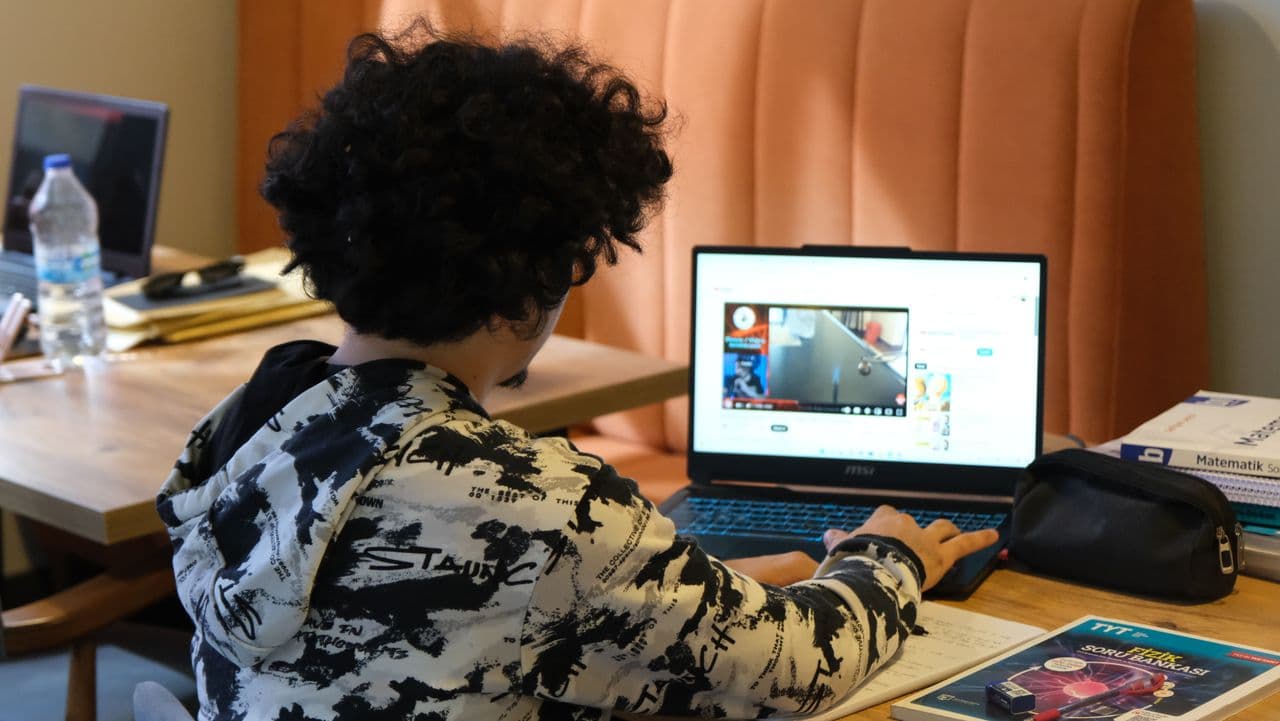
Many people use AI at work or school. Students can use it to learn new words, check grammar, or understand difficult topics. Workers can use it to write emails, organize ideas, or save time. Doctors, engineers, teachers, and designers also use AI in different ways.
But AI is not perfect. Sometimes it gives wrong answers. Sometimes it does not understand the full meaning of a question. This is why people should use AI carefully. It can be a helpful tool, but it should not replace our own thinking.
In the future, AI will probably become more common. We may see smarter apps, better translation tools, and more helpful robots. Some people are excited about this. Others are worried. The best idea is to learn about AI and understand how to use it well.
AI is not magic. It is not a person. It is a powerful tool. And like every tool, it depends on how we use it.
Questions de compréhension
Questions de compréhension
01
What is artificial intelligence?
Afficher une réponse exemple
Artificial intelligence is a type of technology that can do tasks that usually need human thinking.
02
Where can we find AI today?
Afficher une réponse exemple
We can find AI in our pockets, on our computers, and in our homes.
03
What can AI do?
Afficher une réponse exemple
AI can answer questions, understand speech, translate languages, suggest videos, and help people write messages.
04
How do people use AI in daily life?
Afficher une réponse exemple
People use AI when they watch videos online, type messages, use maps, translate words, or search for information.
05
How does AI learn?
Afficher une réponse exemple
AI learns from information. For example, it can look at many photos and learn to recognize things.
06
How can students use AI?
Afficher une réponse exemple
Students can use AI to learn new words, check grammar, and understand difficult topics.
07
Why is AI not perfect?
Afficher une réponse exemple
AI is not perfect because it can sometimes give wrong answers or misunderstand a question.
08
Why should people use AI carefully?
Afficher une réponse exemple
People should use AI carefully because it is a helpful tool, but it should not replace our own thinking.
09
What may happen with AI in the future?
Afficher une réponse exemple
AI may become more common, and we may see smarter apps, better translation tools, and more helpful robots.
10
What is the main message of the text?
Afficher une réponse exemple
The main message is that AI is not magic or a person. It is a powerful tool, and how we use it is important.
Questions d'expression orale
Questions d'expression orale
01
Do you use AI in your daily life? How?
Idée de réponse exemple
Yes, I use AI in my daily life. I use it when I translate words, search for information, or get suggestions on my phone.
02
Do you think AI is more helpful or more dangerous? Why?
Idée de réponse exemple
I think AI is more helpful because it can save time and help people learn new things. But we should use it carefully.
03
Can AI help students learn English better?
Idée de réponse exemple
Yes, AI can help students learn English better. It can explain grammar, give example sentences, and help with pronunciation.
04
What jobs may change because of AI in the future?
Idée de réponse exemple
Many jobs may change because of AI. For example, teachers, doctors, writers, designers, and office workers may use AI more often.
05
Should children learn how to use AI at school?
Idée de réponse exemple
Yes, children should learn how to use AI at school. They should also learn how to check information and think for themselves.
06
Do you trust AI answers? Why or why not?
Idée de réponse exemple
I do not always trust AI answers because AI can make mistakes. I think we should check important information from other sources.
Phrases utiles
Phrases utiles
in the future
At a later time.
In the future, AI will probably become more common.
replace our own thinking
To stop thinking for ourselves because something else gives the answer.
AI should not replace our own thinking.
more often than you think
More times than you realize.
You probably use AI more often than you think.
it depends on how we use it
The result changes because of the way people use something.
AI is a powerful tool, and it depends on how we use it.